Phone:
+254726958546
Physical address:
P.O Box 275 - 80105 Kaloleni

Phone:
+254726958546
Physical address:
P.O Box 275 - 80105 Kaloleni
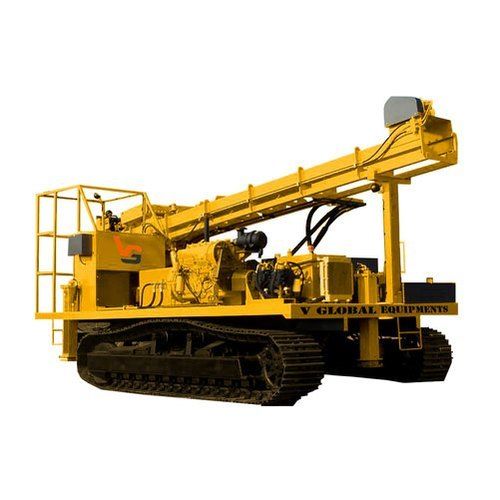
Understanding Reverse Circulation Drilling: Applications and Benefits
Reverse Circulation (RC) drilling is a widely used method in the mining and exploration industry due to its efficiency, cost-effectiveness, and ability to produce high-quality samples. At Muyogwe, we utilize RC drilling to provide our clients with reliable geological data and optimal resource extraction. In this article, we will delve into what RC drilling is, its applications, and the benefits it offers.
Reverse Circulation drilling is a method where compressed air is used to drive a dual-wall drill pipe system. The outer pipe uses the drilling fluid or air to cool and lubricate the drill bit, while the inner pipe transports the drill cuttings to the surface. The term “reverse circulation” comes from the direction of the drilling fluid’s flow, which is opposite to traditional drilling methods.
1. Mineral Exploration
RC drilling is extensively used in mineral exploration for its ability to quickly and efficiently drill through various rock types. It provides high-quality samples that help geologists determine the mineral content and grade of the ore body.
2. Grade Control
In mining operations, RC drilling is utilized for grade control. It helps in delineating ore boundaries and determining the quality of the ore, ensuring that only economically viable material is processed, thereby optimizing the mining operation.
3. Geotechnical Investigations
RC drilling is also employed in geotechnical investigations to assess the soil and rock properties of a site. This information is crucial for designing foundations, infrastructure, and other construction projects.
4. Water Borehole Drilling
RC drilling is an effective method for drilling water boreholes. Its ability to drill quickly and provide continuous samples makes it ideal for locating and accessing groundwater sources.
1. High Sample Quality
One of the significant advantages of RC drilling is the high quality of the samples obtained. The dual-wall pipe system minimizes contamination and preserves the integrity of the samples, providing accurate geological data.
2. Speed and Efficiency
RC drilling is faster than many other drilling methods, allowing for rapid penetration of the subsurface. This speed translates to shorter project timelines and reduced operational costs.
3. Cost-Effectiveness
The efficiency and speed of RC drilling make it a cost-effective option for many drilling projects. Lower operational costs and the ability to cover large areas quickly contribute to its economic viability.
4. Versatility
RC drilling is versatile and can be used in various geological conditions, from soft soils to hard rock formations. This adaptability makes it suitable for a wide range of applications, including mineral exploration, geotechnical investigations, and water borehole drilling.
5. Environmental Benefits
RC drilling is relatively non-invasive compared to other drilling methods. It produces less waste and reduces the risk of contamination, making it an environmentally friendly choice for exploration and drilling projects.
1. Site Preparation
Before drilling begins, we conduct thorough site assessments to identify the best drilling locations and ensure all environmental and safety protocols are in place.
2. Drilling Setup
Our team sets up the RC drilling rig, ensuring all equipment is properly calibrated and ready for operation. Safety measures are implemented to protect both the crew and the environment.
3. Drilling Operations
Using compressed air, the dual-wall pipe system is driven into the ground. The outer pipe cools and lubricates the drill bit, while the inner pipe transports the cuttings to the surface. These cuttings are collected in sample bags for analysis.
4. Sample Analysis
The samples obtained from RC drilling are analyzed to determine the geological characteristics of the subsurface. This analysis provides valuable data for resource estimation, grade control, and other applications.
5. Reporting and Recommendations
Based on the sample analysis, we provide detailed reports and recommendations to our clients. This information helps them make informed decisions about their projects and optimize resource extraction.
Reverse Circulation drilling is a powerful and efficient method for obtaining high-quality geological samples in a variety of applications. At Muyogwe, we leverage the benefits of RC drilling to deliver precise and reliable results for our clients. Whether it’s mineral exploration, grade control, or water borehole drilling, our expertise and advanced technology ensure the success of your project.
If you have any questions about our RC drilling services or would like to discuss your project requirements, please contact us today. Our team of experts is ready to assist you in achieving your exploration and drilling goals with precision and excellence.
Feel free to adjust the content to better fit your specific services and expertise!