Phone:
+254726958546
Physical address:
P.O Box 275 - 80105 Kaloleni

Phone:
+254726958546
Physical address:
P.O Box 275 - 80105 Kaloleni
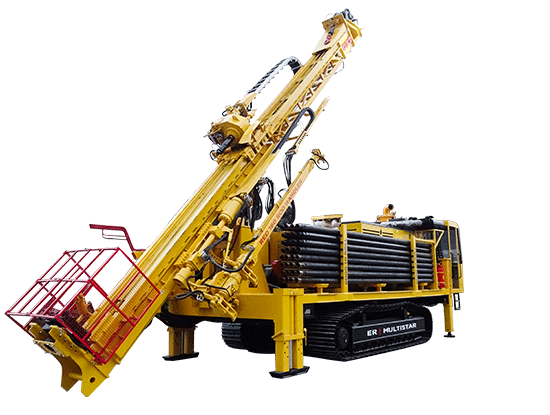
In the mining industry, the term “grade control” refers to the process of managing the ore quality and quantity that is extracted from a mine. Grade control is crucial for ensuring that mining operations are economically viable and environmentally responsible. At Muyogwe, we understand the importance of grade control and implement advanced techniques to optimize the mining process. In this article, we will explore what grade control is, its significance, and the methods used to achieve effective grade control in mining operations.
Grade control involves the continuous monitoring and assessment of ore quality and quantity during the mining process. It ensures that the ore being extracted meets the required standards for processing and that waste material is minimized. Effective grade control helps in maximizing the recovery of valuable minerals while reducing operational costs and environmental impact.
1. Maximizing Ore Recovery
Grade control is essential for maximizing the recovery of valuable minerals. By accurately identifying high-grade ore zones, mining operations can focus on extracting the most economically viable material, leading to increased profitability and resource efficiency.
2. Reducing Waste
Effective grade control minimizes the extraction of waste material, which can significantly reduce processing costs. By distinguishing between ore and waste, mining operations can avoid unnecessary transportation, processing, and disposal of non-valuable material.
3. Enhancing Mine Planning
Accurate grade control data provides valuable insights for mine planning and design. It helps in developing more precise extraction plans, optimizing the layout of the mine, and improving overall operational efficiency.
4. Improving Safety
Grade control contributes to safer mining operations by providing detailed information about the geological conditions of the mine. This knowledge helps in identifying potential hazards, such as unstable ground or unexpected geological formations, allowing for proactive risk management.
5. Environmental Responsibility
By minimizing waste extraction and optimizing resource recovery, grade control promotes environmentally responsible mining practices. Reducing the environmental footprint of mining operations is essential for sustainable development and maintaining social license to operate.
1. Sampling and Assaying
Sampling involves collecting small quantities of ore from various locations within the mine to analyze their composition. These samples are then assayed in a laboratory to determine the concentration of valuable minerals. Regular sampling and assaying provide continuous data for grade control.
2. Geological Mapping
Geological mapping involves creating detailed maps of the ore body based on geological surveys and sampling data. These maps help in identifying high-grade ore zones, understanding the spatial distribution of minerals, and guiding extraction efforts.
3. Blast Hole Sampling
Blast hole sampling is a common method in open-pit mining, where samples are taken from blast holes before blasting. These samples provide real-time data on ore grade, enabling immediate adjustments to extraction plans and improving grade control accuracy.
4. In-Situ Measurements
Advanced technologies, such as portable X-ray fluorescence (XRF) analyzers and gamma-ray spectrometry, allow for in-situ measurements of ore grade. These tools provide rapid, on-site analysis, reducing the need for extensive laboratory testing and speeding up decision-making processes.
5. Reverse Circulation (RC) Drilling
RC drilling is an effective method for grade control, especially in large-scale mining operations. It provides continuous samples of the ore body, allowing for detailed analysis and accurate delineation of ore zones. The high-quality samples obtained through RC drilling are crucial for reliable grade control.
At Muyogwe, we employ a comprehensive approach to grade control, combining advanced technologies and expert knowledge to optimize mining operations. Our grade control process includes:
Grade control is a vital aspect of mining that ensures the economic viability, safety, and environmental responsibility of mining operations. At Muyogwe, we are committed to implementing effective grade control techniques to maximize ore recovery, reduce waste, and enhance mine planning. By leveraging advanced technologies and expert knowledge, we deliver optimized mining solutions that meet the highest standards of efficiency and sustainability.
If you have any questions about our grade control services or would like to discuss your project requirements, please contact us today. Our team of experts is ready to assist you in achieving your mining goals with precision and excellence.
Feel free to adjust the content to better fit your specific services and expertise!