Phone:
+254726958546
Physical address:
P.O Box 275 - 80105 Kaloleni

Phone:
+254726958546
Physical address:
P.O Box 275 - 80105 Kaloleni
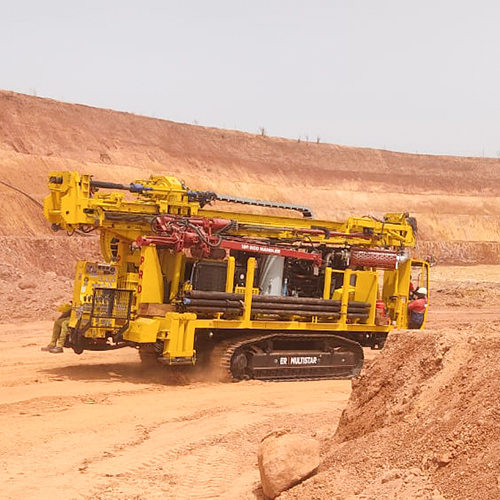
Sustainability is becoming an essential focus in the mining industry as companies seek to balance economic growth with environmental stewardship and social responsibility. At Muyogwe, we are committed to implementing sustainable practices that ensure the longevity and health of our environment while supporting local communities. In this article, we will discuss best practices for sustainable mining operations and how Muyogwe incorporates these practices into our projects.
Sustainable mining involves conducting mining activities in a way that ensures the responsible use of natural resources, minimizes environmental impact, and provides social and economic benefits to local communities. The goal is to meet the needs of the present without compromising the ability of future generations to meet their own needs.
1. Comprehensive Environmental Assessments
Before starting any mining project, it is crucial to conduct thorough environmental assessments. These assessments identify potential impacts on the local ecosystem, water resources, and wildlife. By understanding these impacts, mining companies can develop strategies to mitigate negative effects and enhance positive outcomes.
2. Efficient Resource Use
Sustainable mining involves optimizing the use of natural resources to reduce waste and improve efficiency. This includes using advanced technologies to enhance ore recovery, recycling water within mining processes, and minimizing energy consumption. Efficient resource use not only lowers operational costs but also reduces the environmental footprint of mining activities.
3. Land Rehabilitation and Reclamation
Post-mining land rehabilitation is essential for restoring the environment and supporting biodiversity. Best practices include recontouring land to its natural state, replanting native vegetation, and creating habitats for wildlife. Rehabilitation efforts should start during the mining process and continue after the mine’s closure to ensure successful ecosystem restoration.
4. Water Management
Proper water management is critical in sustainable mining. This involves minimizing water usage, preventing contamination of local water sources, and treating wastewater before discharge. Implementing systems to capture and reuse water within mining operations can significantly reduce the impact on local water supplies.
5. Air Quality Control
Mining activities can generate dust and emissions that affect air quality. Sustainable practices include using dust suppression techniques, maintaining equipment to reduce emissions, and monitoring air quality regularly. Ensuring that air quality standards are met protects the health of workers and nearby communities.
6. Community Engagement and Social Responsibility
Sustainable mining requires active engagement with local communities. Mining companies should establish open communication channels, involve communities in decision-making processes, and address their concerns. Investing in community development projects, such as education, healthcare, and infrastructure, fosters positive relationships and contributes to local economic growth.
7. Safety and Health Standards
Ensuring the safety and health of workers is a fundamental aspect of sustainable mining. This involves implementing rigorous safety protocols, providing regular training, and ensuring access to protective equipment. Promoting a culture of safety not only protects workers but also enhances operational efficiency.
8. Adopting Renewable Energy Sources
Mining operations consume significant amounts of energy. Transitioning to renewable energy sources, such as solar, wind, and hydroelectric power, can reduce greenhouse gas emissions and decrease reliance on fossil fuels. Integrating renewable energy into mining operations supports sustainability goals and reduces environmental impact.
9. Transparency and Accountability
Maintaining transparency and accountability in mining operations is essential for building trust with stakeholders. This includes regularly reporting on environmental performance, resource use, and social impact. Adhering to international standards and certifications, such as the ISO 14001 environmental management system, demonstrates a commitment to sustainable practices.
10. Continuous Improvement and Innovation
Sustainable mining is an ongoing process that requires continuous improvement and innovation. Mining companies should stay updated with the latest technologies and best practices, invest in research and development, and seek feedback from stakeholders. Embracing a culture of innovation ensures that mining operations remain sustainable and resilient.
At Muyogwe, sustainability is at the core of our operations. We are dedicated to implementing best practices that minimize environmental impact, support local communities, and ensure the responsible use of resources. Our approach to sustainable mining includes:
Sustainable mining is essential for ensuring the long-term health of our environment and communities. By adopting best practices in environmental stewardship, resource efficiency, community engagement, and safety, mining companies can achieve their economic goals while contributing to sustainable development. At Muyogwe, we are committed to leading the way in sustainable mining practices and delivering value to our clients, communities, and the environment.
If you have any questions about our sustainable mining practices or would like to discuss your project requirements, please contact us today. Our team of experts is ready to assist you in achieving your mining goals with sustainability and excellence.
Feel free to adjust the content to better fit your specific services and expertise!